
Brake systems behave very differently under load. While unloaded brake testing provides useful baseline data, it does not always reflect how a vehicle performs in real-world operating conditions on Australian roads.
For heavy vehicles, buses, trailers, and commercial fleets, brake performance must be assessed under realistic axle loads to ensure safe stopping distances and compliant operation. This is where a Load Simulator becomes a critical part of modern brake testing.
By applying controlled downforce to replicate real axle loads, load simulators allow brake testing to be carried out under true operating conditions — without the need to add physical ballast or external weights.
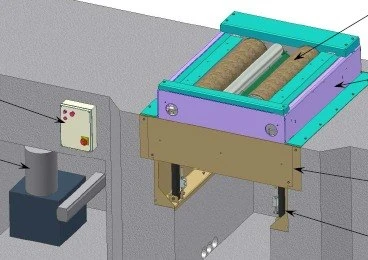
What Is a Load Simulator?
A Load Simulator is a system designed to apply controlled downward force to a vehicle’s axle while it is positioned on a Roller Brake Tester. The applied force simulates the weight the vehicle would experience when fully laden on the road, allowing brake performance to be measured accurately and safely within a workshop or inspection facility.
Unlike traditional methods that rely on added mass or assumptions, load simulators:
- Apply precise, repeatable axle loads
- Maintain balanced load distribution
- Allow safe, controlled testing in a fixed inspection lane
This makes them especially valuable for Australian heavy vehicle testing environments, where safety, consistency, and repeatability are critical.
Why Loaded Brake Testing Is Critical for Vehicle Safety in Australia
Brake efficiency is directly influenced by axle load. Under real-world conditions, vehicles require significantly greater braking force when carrying payloads — particularly heavy vehicles, buses, and trailers — on long routes, downhill grades, or in emergency situations.
Industry safety and compliance data consistently shows that:
- Brakes that perform adequately when unloaded may fail to meet efficiency requirements under load
- Insufficient braking force increases stopping distances and crash severity
- Load-sensitive braking systems must be tested under realistic conditions to verify correct operation
Load simulators remove uncertainty by ensuring brake performance is measured as the vehicle operates on the road, not under idealised or unloaded conditions.
How Load Simulators Are Used in Australian Inspection Facilities
Load simulators are typically integrated into:
- Heavy vehicle inspection lanes
- Brake testing facilities
- Fleet and transport maintenance workshops
- Government, council, and compliance testing centres
During testing, hydraulic or electromechanical actuators apply controlled pressure to the axle while brake testing is performed. The system operates in synchronisation with the roller brake tester, ensuring:
- Smooth, stable load application
- Accurate brake force measurement
- Improved operator safety
This controlled process delivers reliable results without compromising workshop efficiency.
Why Hydraulic Load Simulation Matters for Australian Conditions
Modern load simulators are engineered to deliver the performance and safety required for Australian heavy vehicle operations.
Key benefits include:
- Consistent axle loading without shock or imbalance
- Adjustable force levels to suit different vehicle types and axle ratings
- Adjustable track widths for wide-track vehicles
- Stable vehicle handling, even at higher simulated loads
By replicating real axle loads without adding physical mass, load simulators eliminate the manual handling risks and instability associated with traditional loading methods.
Operational Efficiency, Compliance, and Cost Benefits
Load simulators support a more efficient and reliable inspection process by:
- Reducing retesting caused by inaccurate unloaded results
- Eliminating the need for external weights or load vehicles
- Improving diagnostic confidence for technicians and inspectors
- Supporting consistent brake performance verification across vehicle types
For Australian fleets and inspection stations, this leads to better safety outcomes, fewer failed inspections, reduced downtime, and lower long-term operating costs.
Conclusion: Load Simulators and Accurate Brake Testing in Australia
A Load Simulator completes the brake testing process by ensuring vehicles are tested under realistic operating conditions.
When combined with Roller Brake Testers, Side Slip Testers, and Axle Play Detectors, load simulators form part of a comprehensive inspection solution that prioritises:
- Accurate brake performance measurement
- Improved road safety
- Reduced operational risk
- Consistent roadworthiness and compliance outcomes
Testing vehicles as they operate on Australian roads isn’t just best practice — it’s essential for safety, compliance, and long-term reliability.